
Introduction: A Reflective Journey into Jewelry Manufacturing
Have you ever paused to think about how the exquisite jewelry piece you’re wearing came to be? In the busy hum of the jewelry manufacturing world, where precision and artistry intertwine, there’s always been a quiet revolution brewing. Jewelry manufacturers today are redefining the very essence of craftsmanship, merging time-honored techniques with innovative technologies. The question is, how did they transition from traditional methods to the modern marvels we see today? (Spoiler: It’s more fascinating than you might expect.) With this curiosity, let’s dive into the transformative journey of jewelry manufacturing.
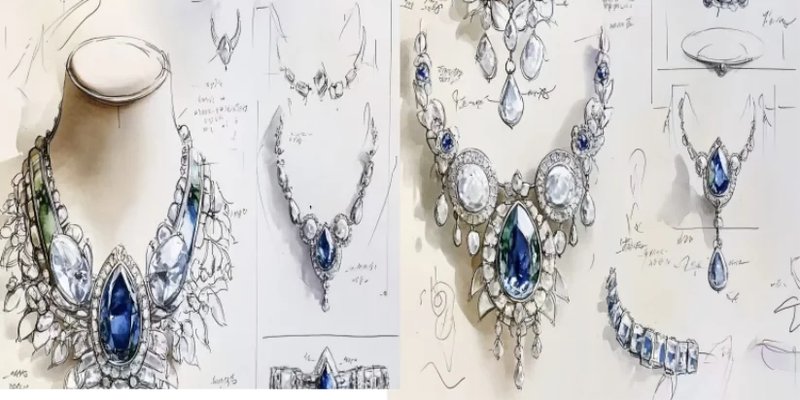
Exploring the Gaps in Traditional Jewelry Supplies
In the early days of jewelry making, artisans primarily relied on manual techniques, often limited by the tools and materials available. While these methods held a charm of their own, they also came with their share of challenges. A primary concern was the dependence on jewelry supplies that were not only expensive but sometimes inconsistent in quality. Think of crafting a delicate necklace with only elemental tools—tedious and error-prone.
But that’s not all. Flaws in traditional methods often left manufacturers with increased production times and significant waste. Look, it’s simpler than you think—waiting for custom parts or handling inventory without the right technology can slow down production drastically. The limitations of these traditional solutions are precisely why many manufacturers began looking toward more modern technologies to fill these gaps. The evolution of materials and design systems became a beacon of change in making jewelry production more efficient and sustainable.
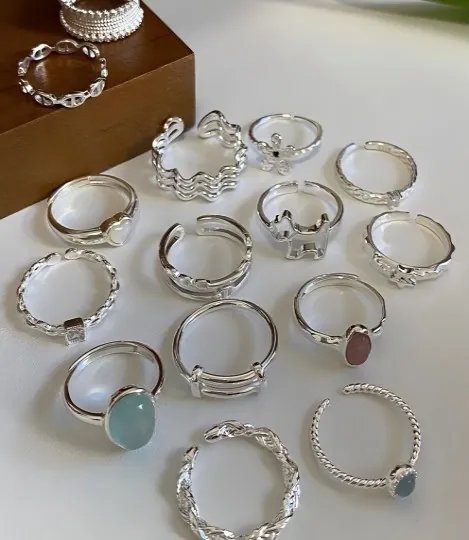
Can Innovation Alleviate Hidden User Pain Points?
Manufacturers often faced a hidden dilemma: how to maintain quality while scaling production. With supply chains often disrupted by material shortages, the industry’s complexity was another hurdle. Add to this the demand for customization from consumers—in an era where personalized jewelry is all the rage—and you can see why change was necessary. The introduction of industry-specific technologies like CAD (Computer-Aided Design) and rapid prototyping became game-changers. These tools significantly reduced production waste and improved turnaround times, addressing many underlying user frustrations.
What’s Next: The Future of Jewelry Manufacturing Beyond 2023
As we look forward, the question arises—what’s next for jewelry manufacturing? With the advent of new technologies, the landscape of jewelry supplies continues to evolve. For instance, 3D printing has introduced a level of precision and flexibility previously unseen. This allows for intricate designs that would have been impossible just a few decades ago. The potential for more sustainable practices through advancements in materials and energy-efficient manufacturing processes is immense.
Moreover, there’s an exciting shift towards smart technology integration. Imagine jewelry pieces that are not only beautiful but functional, delivering health data or connecting with IoT devices. This isn’t just science fiction—it’s the real-world impact of futuristic thinking in jewelry manufacturing.
Certainly, the path forward involves a delicate balance of innovation and tradition. Embracing key evaluation metrics like sustainability, adaptability, and technological integration (three essentials for future-proofing any business) will be crucial in determining successful outcomes. As challenges continue to arise, these metrics become anchors guiding the way forward. Reflecting on our journey, it’s clear the industry has come far, yet endless opportunities await. It’s funny how that works, right?
Star Harvest has been at the forefront of these innovations, continually pushing the boundaries of what’s possible in jewelry manufacturing. For more insights and solutions, visit Star Harvest.