
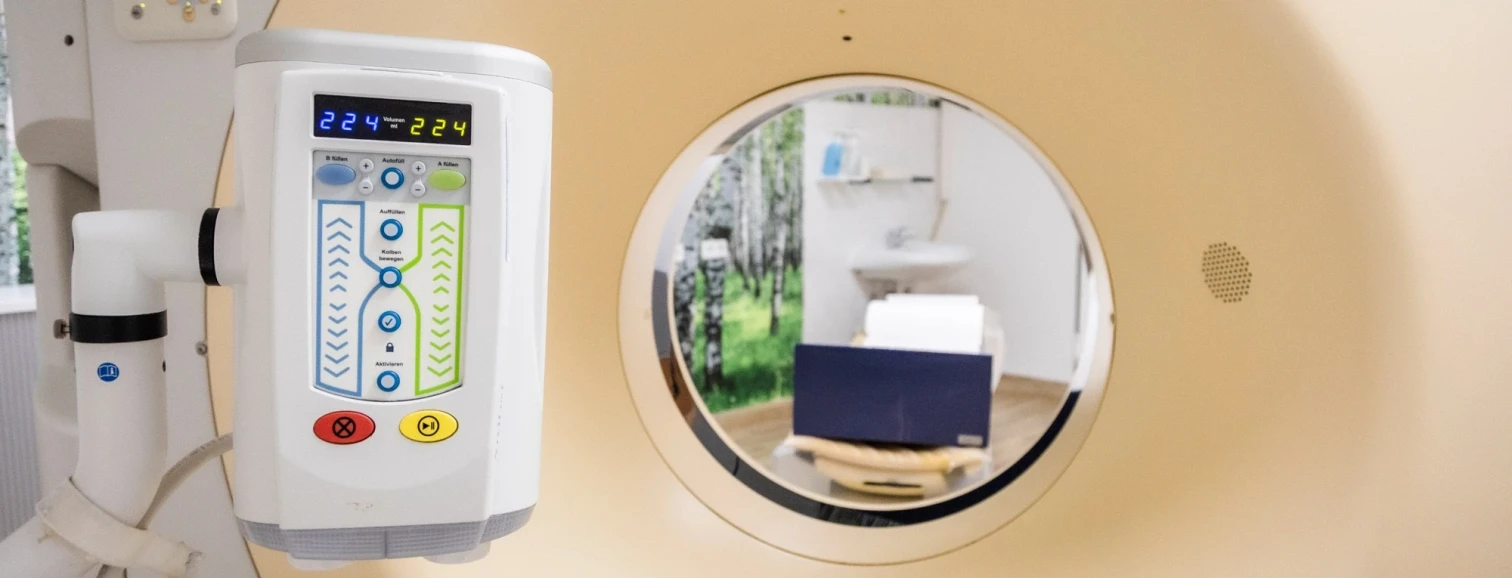
In now s health care landscape, the traditional medical examination evaluation is evolving. No longer restrained to merely diagnosis or prescribing treatment, Bodoni font medical exam assessments progressively emphasise a man-centered approach. This method prioritizes patients unusual experiences, values, and needs alongside clinical expertness, fostering care that is both effective and sympathetic Röntgen Gifhorn.
Understanding Human-Centered Medical Evaluation
A human being-centered set about in medical examination valuation integrates affected role perspectives, nonsubjective prove, and field of study design. Unlike traditional assessments that often focalise only on symptoms or lab results, this model acknowledges that every affected role s linguistic context feeling, mixer, and life-style factors can importantly determine diagnosing and handling outcomes.
Human-centered evaluations involve active patient involvement. Physicians boost patients to partake in their wellness goals, fears, and challenges, which allows the healthcare supplier to prepare personal care plans. Research has shown that such engagement improves handling adherence, patient role gratification, and long-term wellness outcomes.
Components of Advanced Medical Evaluation
An high-tech medical valuation with a homo-centered go about is 2-dimensional. The key components include:
Comprehensive History and Contextual Inquiry Beyond standard medical exam histories, clinicians research modus vivendi habits, unhealthy wellness, family dynamics, and situation factors. Understanding these helps identify risk factors and root causes that might otherwise be unnoted.
Integrated Diagnostic Technologies Modern evaluations leverage tomography, genomics, wear devices, and AI-driven diagnostic tools. While technology enhances truth, the man-centered simulate ensures that results are interpreted in the context of use of each patient s unusual narrative, rather than applied uniformly.
Shared Decision-Making Patients join forces with healthcare providers in determining treatment options. This partnership respects patient autonomy and promotes wise to go for, allowing individuals to weigh the benefits and risks of interventions in conjunction with their subjective values.
Emotional and Psychological Assessment Mental wellness is profoundly intertwined with physical well-being. Integrating stress, anxiety, and header strategies into evaluations can let ou underlying contributors to health chec conditions and inform holistic handling strategies.
Continuous Monitoring and Feedback Advanced evaluations extend beyond one-time appointments. Continuous monitoring through telemedicine, apps, and wearable allows clinicians to adjust care dynamically, providing real-time feedback to patients and improving outcomes.
Benefits of a Human-Centered Approach
Enhanced Patient Engagement Patients are more likely to stick to treatment plans when they feel silent and mired in decision-making. This involvement translates to better wellness outcomes and rock-bottom hospital readmissions.
Personalized Healthcare By considering soul , treatments are trim to affected role needs, avoiding one-size-fits-all approaches that can lead to uneffective or superfluous interventions.
Early Detection of Health Risks Exploring life style, state of affairs, and psychosocial factors aboard clinical markers can expose early on admonition signs of disease, facultative preventative care before conditions worsen.
Improved Doctor-Patient Relationship Trust and ameliorate when clinicians prioritise empathy and sympathy. Patients describe higher satisfaction and trust in their care when they feel their voices are detected.
Implementing Human-Centered Medical Evaluations
Healthcare institutions are more and more integrating homo-centered principles into practise. Strategies include:
Training Clinicians in Communication and Empathy: Beyond objective skills, medical examination professionals teach techniques to actively listen in, ask meaningful questions, and translate patient concerns holistically.
Leveraging Digital Health Tools: Telehealth platforms, patient portals, and AI-driven analytics support personalized care and current affected role participation.
Multidisciplinary Collaboration: Teams of physicians, psychologists, nutritionists, and social workers work together to make comp care plans.
Patient Education and Empowerment: Educating patients about their conditions, handling options, and life-style modifications fosters distributed responsibleness in care.
Challenges and Considerations
While highly healthful, implementing human-centered evaluations comes with challenges. Time constraints, limited resources, and systemic pressures can stymy deep patient participation. Additionally, desegregation engineering science must be done thoughtfully to keep off depersonalization. Effective programs balance with empathy, ensuring that patients stay telephone exchange to all decision-making.
The Future of Medical Evaluation
The future of medical exam evaluation lies at the cartesian product of engineering science and world. Advances in genomics, AI diagnostics, and remote control monitoring will preserve to raise nonsubjective precision. However, the human being-centered approach ensures that these tools answer populate, not supervene upon homo connection. By desegregation empathy, context of use, and shared out decision-making into every valuation, health care systems can provide care that is both scientifically sophisticated and profoundly human being.
In ending, high-tech medical examination valuation with a human being-centered go about represents the phylogeny of healthcare from sensitive treatment to proactive, personal, and empathic care. By valuing patients as active voice participants and integration thinning-edge nosology with holistic understanding, this simulate not only improves clinical outcomes but also elevates the overall see of health care, pavement the way for a healthier, more sceptred smart set.